We have personalized software now


The hardest part about going to Disney World is waiting in lines, especially when you're under ten years old and each minute feels like forever. When I was at Disney World recently, I saw lots of parents passing the time with their kids by playing Heads Up. I decided to download the app and do the same thing with my kids.


After loading it up, I was immediately turned off by all the upsells. I get that they're trying to make money, but I don't want to pay for a simple game like this. So what did I do? I recently made my own Solitaire game, so I opened Claude on my phone and made my own version:
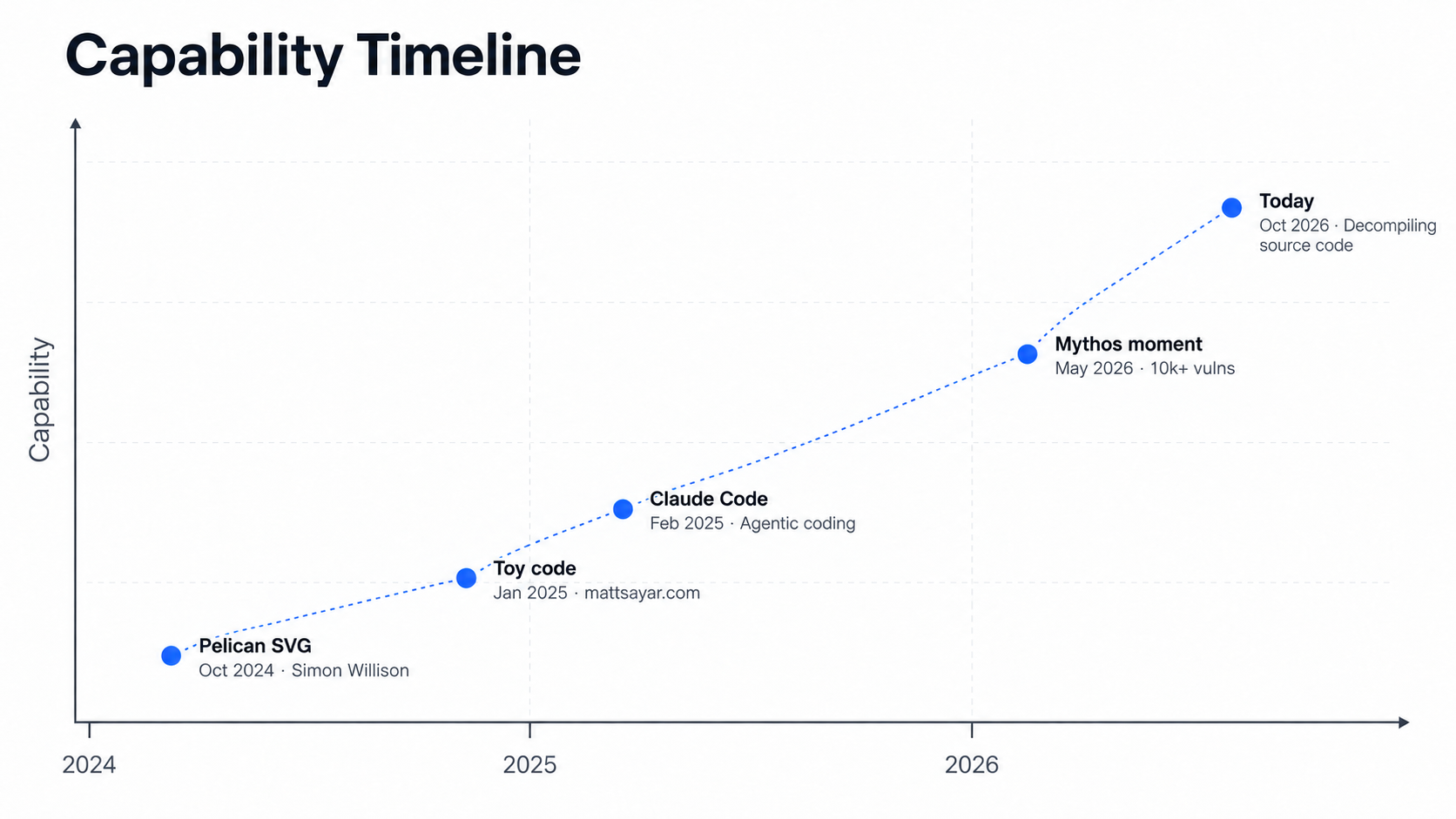
SaaS businesses continue to be more viable; It's a lot harder to decompile code when you don't have access to an executable. That's not feasible for things like video games or other software that requires direct hardware access, but so much stuff happens in a browser now. Even then, SaaS apps have so much functionality that users don't need, so they can clone the features they actually care about and disregard the rest.
That doesn't mean building your own stuff always makes sense. But if your app or service has a lot of cruft, poor performance, outages... then building your own tools will look more and more tempting over time.
You should also read:
A step closer to personalized software
Solitaire Alone Together recently hit the front page of Hacker News and it's delightful. I remember playing Solitaire a lot as a kid on the family computer, but I was terrible. Now that I'm older, it's a lot of fun, and quite addicting! I found…
Continue reading...NOW is personalized software a thing?
Not that long ago, I tried to use Claude to customize Publii, the app I use to make this website. It didn't do so well. Literally the next day, Anthropic announced the Claude 4 family, and now Claude Sonnet 4.5 is out. Anthropic's unbiased opinion…
Continue reading...Personalized software really is coming, but not today. Maybe tomorrow?
When I posted about building a custom math game in ten minutes, one of my favorite comments was This is so awesome. Personalized software really is coming. Recently, Anthropic released their version of an agent that can integrate with your codebase and make changes for…
Continue reading...